
The convergence of artificial intelligence and modern website builders has revolutionized how businesses approach lead generation online. This comprehensive guide explores the strategic workflow of leveraging ChatGPT’s code generation capabilities to create compelling lead generation websites and seamlessly deploying them through InstantPage.dev’s platform. The marriage of AI-powered content creation with user-friendly website builders offers unprecedented opportunities for businesses to rapidly deploy professional lead capture systems without extensive technical expertise or significant financial investment
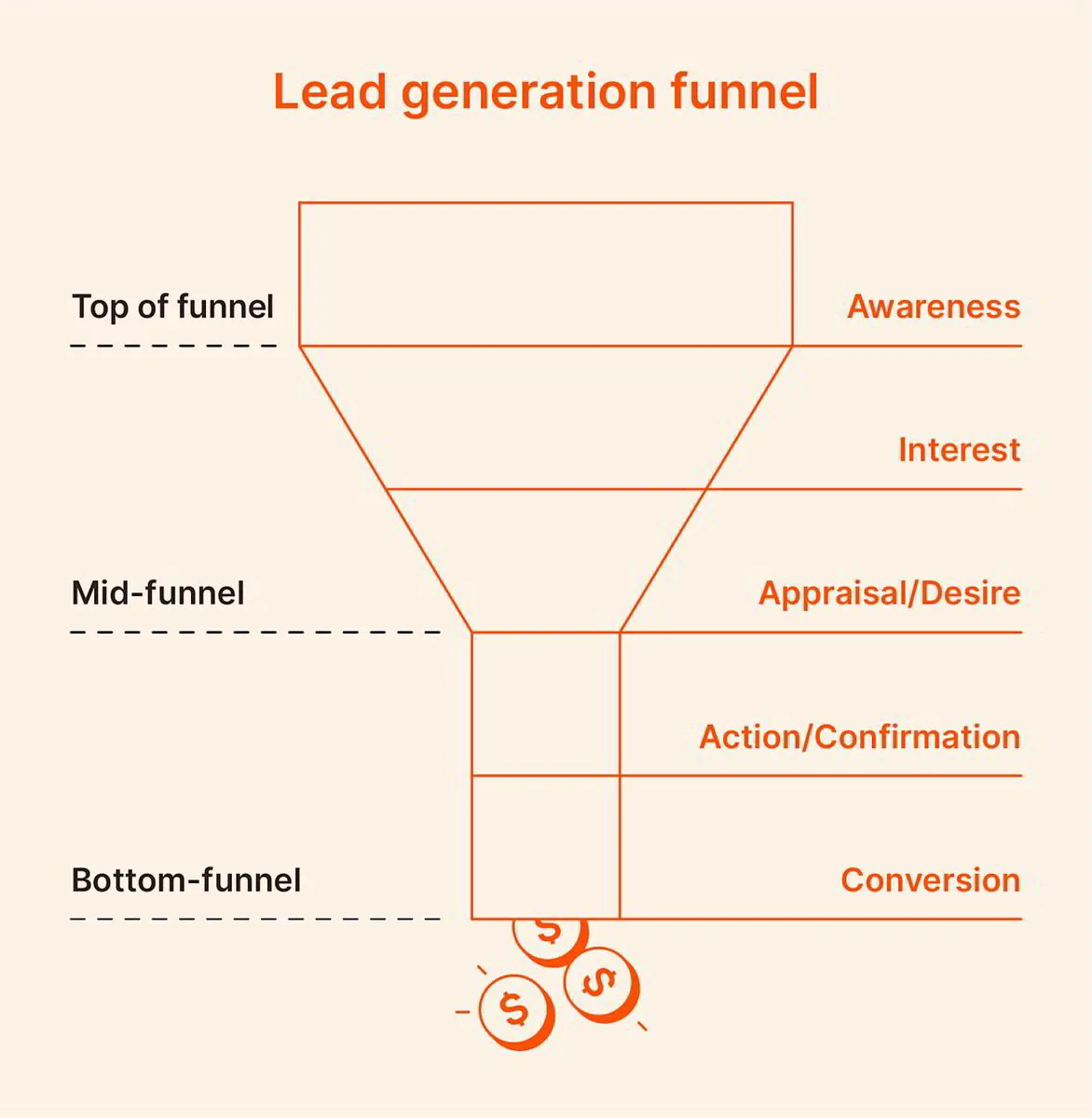
A diagram illustrating the key stages of a lead generation funnel, from awareness to conversion.[Source: Zapier.]
Understanding Lead Generation Fundamentals
Lead generation represents the cornerstone of modern digital marketing, encompassing the systematic process of attracting and converting anonymous website visitors into identifiable prospects who demonstrate genuine interest in your products or services. A well-designed lead generation website functions as a sophisticated conversion machine, strategically guiding visitors through carefully crafted touchpoints that progressively build trust while capturing valuable contact information
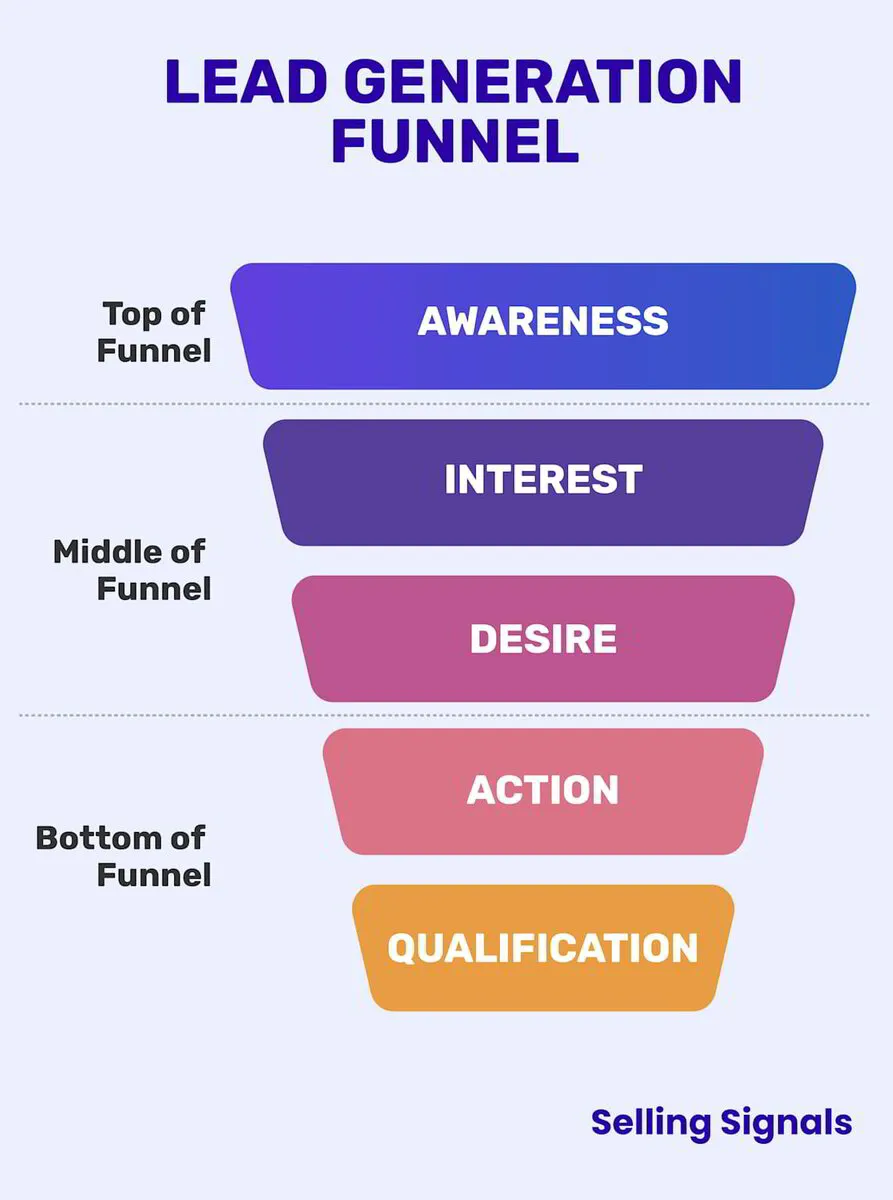
A diagram illustrating the five key stages of a lead generation funnel: Awareness, Interest, Desire, Action, and Qualification.[source: sellingsignals.com]
The modern lead generation landscape demands websites that seamlessly blend compelling content with strategic conversion elements. Effective lead generation sites incorporate multiple psychological triggers and technical optimizations that work synergistically to maximize conversion rates while providing genuine value to visitors. Understanding these fundamentals becomes crucial when designing AI-generated websites that must compete with professionally developed platforms.
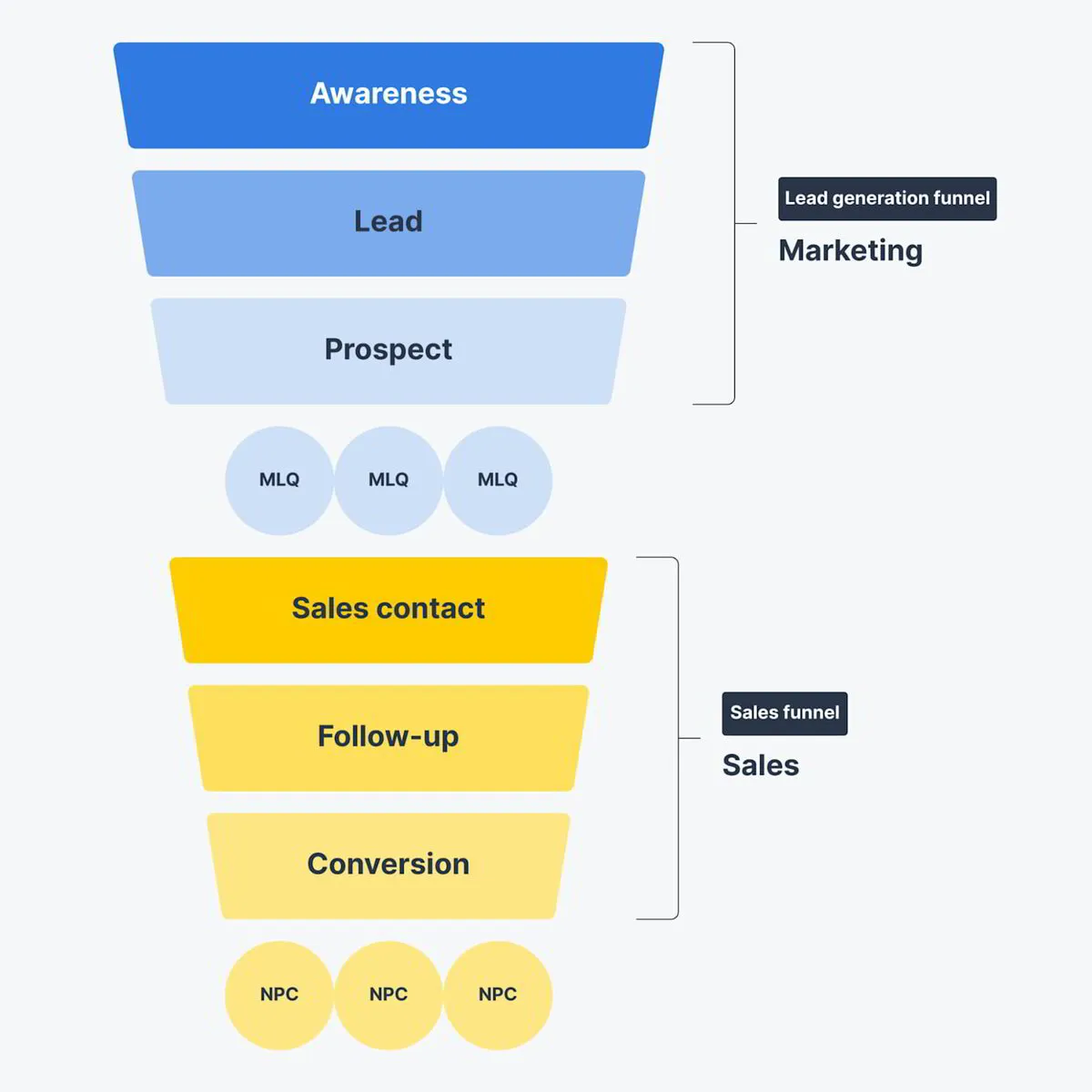
Diagram illustrating the stages of a lead generation and sales funnel, from initial awareness to conversion.[source: pipedrive.com]
The ChatGPT Advantage in Website Development
ChatGPT has emerged as a powerful tool for generating clean, functional HTML code that addresses specific business requirements without the complexity typically associated with traditional web development. The AI's ability to understand context and generate responsive, modern web components makes it particularly valuable for creating lead generation elements such as contact forms, landing page sections, and conversion-optimized call-to-action buttons.
Modern AI language models excel at producing semantically correct HTML markup combined with contemporary CSS styling that ensures cross-browser compatibility and mobile responsiveness. ChatGPT's code generation capabilities extend beyond basic HTML to include JavaScript functionality for form validation, interactive elements, and dynamic content presentation that enhances user engagement and conversion potential.
The platform's ability to iterate and refine code based on specific prompts allows users to create highly customized lead generation components without extensive programming knowledge. This democratization of web development enables small businesses and entrepreneurs to compete effectively with larger organizations that traditionally relied on expensive development teams.
InstantPage.dev Platform Overview and HTML Integration
InstantPage.dev distinguishes itself in the website builder marketplace by offering comprehensive lead generation capabilities combined with flexible customization options that accommodate both drag-and-drop simplicity and custom code integration. The platform's architecture supports multiple methods for incorporating custom HTML code, making it particularly suitable for businesses that require specialized lead generation functionality beyond standard template offerings

An illustrative graphic demonstrating drag-and-drop wireframe tools for effortless website design.[source: visily.ai]
The platform's HTML widget functionality provides seamless integration pathways for AI-generated code, allowing users to embed custom forms, interactive elements, and specialized conversion tools directly into their InstantPage.dev-powered websites. This hybrid approach combines the convenience of visual website building with the power and flexibility of custom development, creating optimal conditions for sophisticated lead generation campaigns.
InstantPage.dev's built-in CRM integration and email marketing capabilities complement custom HTML implementations by providing automated lead nurturing and management systems that convert captured prospects into paying customers. The platform's funnel-building features work synergistically with custom lead generation elements to create comprehensive conversion systems that maximize return on marketing investment
Step-by-Step Implementation Workflow
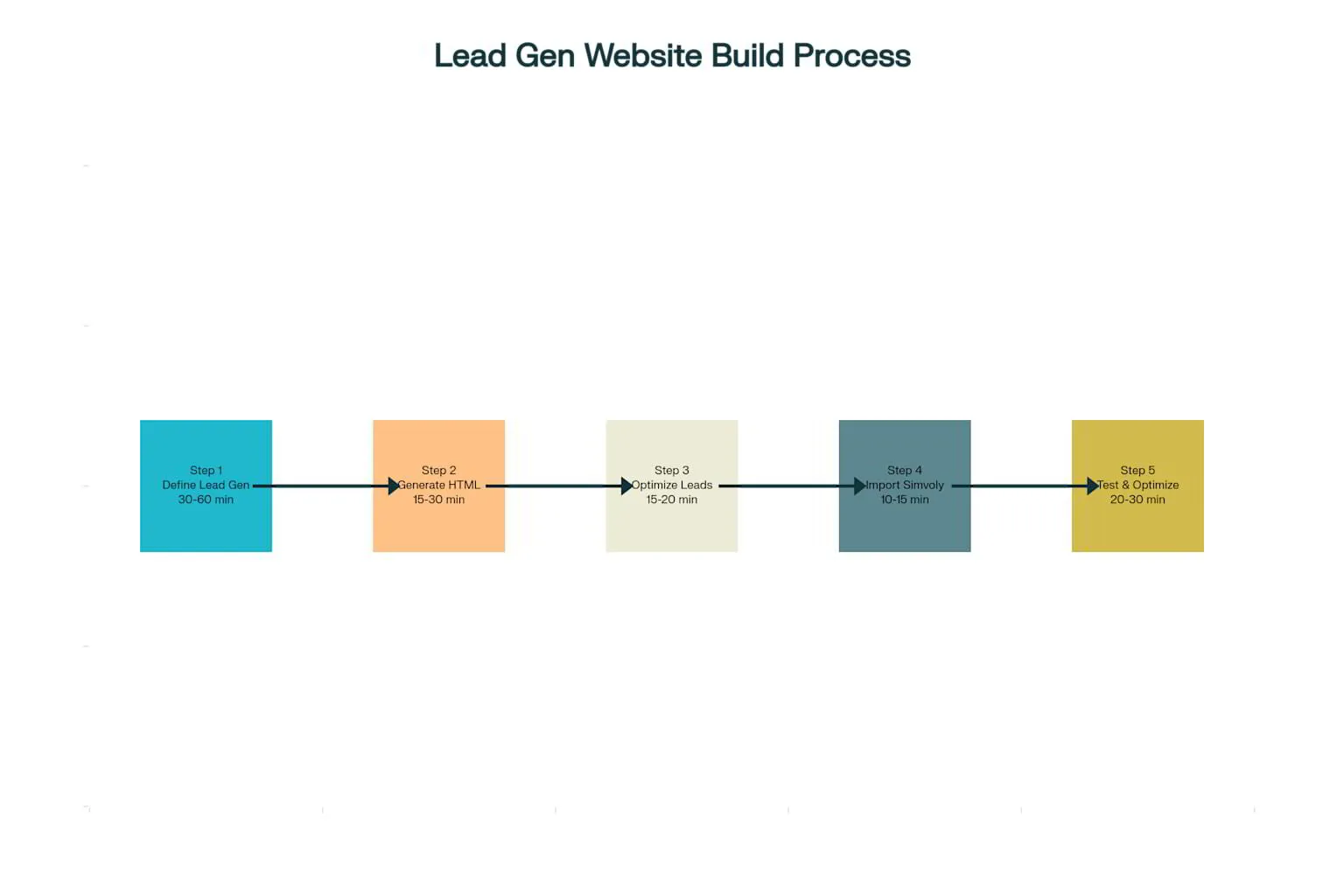
5-Step Workflow: From ChatGPT AI to InstantPage.dev Lead Generation Website
The systematic approach to building lead generation websites using ChatGPT and InstantPage.dev follows a carefully orchestrated five-phase process that ensures optimal results while minimizing implementation complexity.
This methodology balances strategic planning with technical execution to create websites that generate consistent, high-quality leads for sustainable business growth.
Phase 1: Strategic Foundation Development
Successful lead generation websites begin with comprehensive strategic foundations that clearly define target audiences, value propositions, and conversion objectives. This initial phase requires thorough market research to understand customer pain points, competitive landscapes, and optimal lead magnet offerings that resonate with potential prospects.
Effective strategy development involves creating detailed buyer personas that inform design decisions, content creation, and conversion funnel architecture. Understanding your ideal customer's journey from awareness to purchase enables the creation of targeted messaging and strategically positioned conversion elements that maximize lead quality and quantity.
The strategic foundation phase should produce clear documentation of lead generation goals, target metrics, and success measurement criteria that guide subsequent development phases. This documentation serves as a reference point for optimization decisions and ensures all team members understand the website's primary objectives and success metrics.
Phase 2: AI-Powered Content Generation
ChatGPT's code generation capabilities shine when provided with specific, detailed prompts that clearly articulate desired functionality and styling requirements.
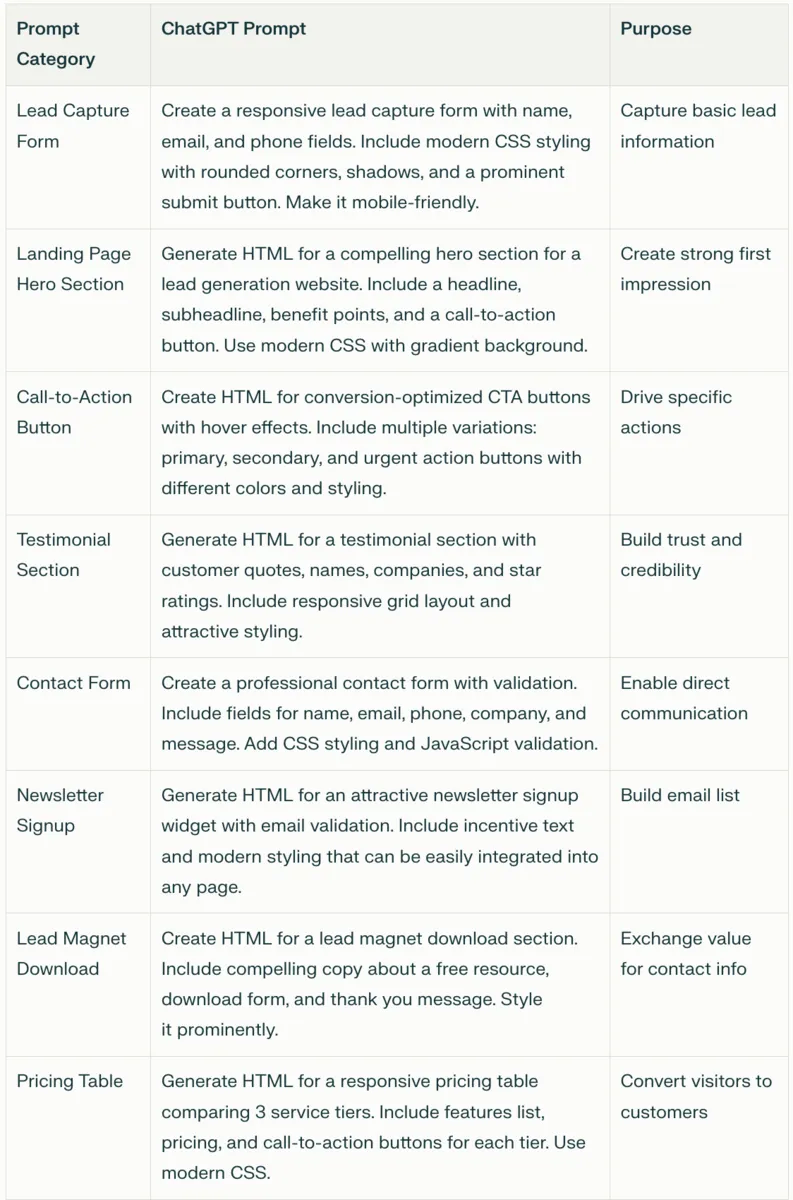
The key to successful AI-generated lead generation components lies in crafting prompts that specify not only the technical requirements but also the conversion psychology and user experience considerations that drive engagement.
Effective prompt engineering for lead generation elements requires understanding the relationship between design psychology and conversion optimization. Prompts should specify color schemes that create urgency, form field arrangements that minimize abandonment, and call-to-action language that compels immediate action while addressing common visitor objections.
The iterative nature of AI code generation allows for rapid prototyping and refinement of lead generation elements until they achieve optimal conversion potential. This iterative approach enables continuous improvement based on testing results and performance analytics, ensuring that AI-generated components evolve to meet changing market conditions and user preferences.
Phase 3: Conversion Optimization Enhancement
Raw AI-generated code requires strategic enhancement to maximize lead generation effectiveness through the integration of proven conversion optimization principles. This phase involves adding tracking pixels, analytics integration, and sophisticated form validation that improves user experience while capturing detailed lead information.
Advanced conversion optimization includes implementing progressive disclosure techniques that gradually collect lead information without overwhelming visitors with lengthy forms. Multi-step forms, conditional logic, and smart field pre-population significantly improve completion rates while gathering comprehensive prospect data for effective follow-up campaigns.
The optimization phase also involves integrating social proof elements, trust indicators, and risk-reversal mechanisms that address common visitor concerns and objections. These psychological triggers work together to create compelling conversion environments that transform skeptical visitors into enthusiastic leads.
Phase 4: InstantPage.dev Integration Process
InstantPage.dev's HTML integration capabilities support multiple implementation approaches that accommodate different technical skill levels and customization requirements. The platform's HTML/Code widget provides the most straightforward method for incorporating AI-generated lead generation elements into existing page layouts without disrupting the overall design integrity.
Advanced users can leverage InstantPage.dev's custom code sections to implement more sophisticated lead generation systems that include tracking integration, automated email sequences, and dynamic content personalization. These advanced implementations create seamless user experiences that guide visitors through carefully crafted conversion funnels designed to maximize lead quality and quantity.
The integration process requires careful attention to mobile responsiveness and cross-browser compatibility to ensure that lead generation elements function effectively across all user devices and platforms. Testing across multiple environments prevents technical issues that could significantly impact conversion rates and lead quality.
Phase 5: Performance Testing and Optimization
Comprehensive testing protocols ensure that integrated lead generation elements function optimally across all user scenarios and technical environments. This phase involves systematic evaluation of form functionality, mobile responsiveness, loading speeds, and conversion tracking accuracy to identify and resolve potential performance barriers.
A/B testing methodologies enable data-driven optimization of lead generation elements based on actual user behavior and conversion performance. Testing variables such as form placement, call-to-action language, color schemes, and value proposition messaging provides insights that drive continuous improvement in lead generation effectiveness.
Performance monitoring and analytics integration provide ongoing insights into lead generation effectiveness, enabling rapid identification of optimization opportunities and potential technical issues. Regular performance reviews ensure that lead generation systems continue to deliver optimal results as market conditions and user preferences evolve.
Essential Lead Generation Components
Effective lead generation websites incorporate multiple specialized components that work synergistically to guide visitors through carefully orchestrated conversion funnels. Each component serves specific psychological and functional purposes that contribute to overall conversion success while providing genuine value to website visitors.
Modern lead generation components must balance conversion optimization with user experience considerations to avoid appearing overly aggressive or manipulative. The most effective implementations feel natural and helpful rather than pushy or sales-focused, creating positive interactions that build trust and encourage voluntary information sharing.
Strategic Form Design and Implementation
Lead capture forms represent the critical conversion points where visitor interest transforms into actionable business opportunities. Effective form design requires careful consideration of field selection, visual presentation, and psychological messaging that encourages completion while gathering essential contact information.
Research consistently demonstrates that form length significantly impacts completion rates, with shorter forms generally producing higher conversion rates despite potentially gathering less comprehensive lead information. The optimal balance between information quality and conversion rates depends on specific business requirements and lead nurturing capabilities.
Advanced form implementations include progressive profiling techniques that gradually collect additional lead information through subsequent interactions, reducing initial barriers to conversion while ultimately gathering comprehensive prospect data. This approach maximizes both conversion rates and lead quality by respecting visitor preferences while achieving business objectives.
Compelling Call-to-Action Development
Call-to-action buttons serve as the primary conversion triggers that motivate visitors to take desired actions throughout the lead generation process. Effective CTA design combines visual prominence with psychological messaging that addresses visitor motivations while creating appropriate urgency without appearing manipulative.
Color psychology plays a crucial role in CTA effectiveness, with certain color combinations consistently outperforming others in conversion testing across various industries and demographics. However, optimal color selection depends heavily on overall page design, brand guidelines, and target audience preferences, requiring careful testing and optimization.
CTA placement strategy involves understanding user behavior patterns and attention flows to position conversion opportunities at moments of peak engagement and interest. Multiple CTA placements throughout lengthy pages ensure conversion opportunities remain available as visitors progress through content while avoiding excessive repetition that could appear desperate or annoying.
Technical Implementation Best Practices
Successfully implementing AI-generated lead generation websites requires adherence to established technical best practices that ensure optimal performance, user experience, and conversion effectiveness. These practices encompass code quality, security considerations, performance optimization, and accessibility standards that create professional websites capable of competing with traditionally developed platforms.
Modern web development standards emphasize responsive design principles that ensure consistent functionality across all device types and screen sizes. Lead generation websites must perform flawlessly on mobile devices, which increasingly represent the majority of web traffic and conversion opportunities across most industries.
Code Quality and Standards Compliance
AI-generated HTML code requires careful review and validation to ensure compliance with current web standards and best practices. While ChatGPT consistently produces functional code, manual review helps identify potential optimization opportunities and ensures integration compatibility with existing website infrastructure.
Semantic HTML markup improves both search engine optimization and accessibility by providing clear content structure that assistive technologies and search algorithms can effectively interpret. Proper heading hierarchies, descriptive alt text, and logical content flow contribute to better user experiences and improved search engine rankings.
CSS optimization involves consolidating stylesheets, minimizing file sizes, and implementing efficient styling techniques that reduce page loading times without compromising visual appeal. Fast-loading pages significantly impact both user experience and conversion rates, making performance optimization crucial for lead generation success.
Security and Privacy Considerations
Lead generation websites handle sensitive personal information that requires robust security measures to protect visitor privacy and maintain regulatory compliance. Form submissions must include appropriate validation and sanitization to prevent security vulnerabilities while ensuring data integrity throughout the collection and storage process.
GDPR compliance and privacy regulations require transparent data collection practices, clear privacy policies, and explicit consent mechanisms that inform visitors about data usage while providing control over personal information sharing. Non-compliance can result in significant legal and financial consequences that far exceed potential lead generation benefits.
SSL encryption and secure data transmission protocols provide essential protection for sensitive information while building visitor trust through visible security indicators. Modern users increasingly recognize and respond positively to security measures, making robust protection both a technical requirement and a conversion optimization strategy.
Advanced Optimization Strategies
Sophisticated lead generation websites implement advanced optimization techniques that maximize conversion rates while improving user experience and long-term customer relationships. These strategies go beyond basic form implementation to create comprehensive conversion systems that address various visitor motivations and objections throughout the decision-making process.
Advanced optimization requires continuous testing, analysis, and refinement based on actual user behavior and conversion data. This iterative approach ensures that lead generation systems evolve to meet changing market conditions, user preferences, and competitive pressures while maintaining optimal performance across all key metrics.
Behavioral Targeting and Personalization
Dynamic content personalization based on visitor behavior, traffic sources, and demographic information significantly improves conversion rates by presenting relevant messaging and offers that resonate with specific audience segments. Advanced implementations track user interactions to present increasingly targeted content and conversion opportunities based on demonstrated interests and engagement levels.
Exit-intent technology and behavioral triggers enable strategic presentation of lead magnets and conversion opportunities at optimal moments when visitors demonstrate purchase intent or engagement patterns. These sophisticated targeting techniques maximize conversion opportunities while avoiding intrusive interactions that could negatively impact user experience.
Geographic targeting and localization strategies adapt messaging, offers, and contact information based on visitor location, creating more relevant and compelling conversion experiences. Local relevance significantly impacts conversion rates, particularly for service-based businesses that serve specific geographic markets.
Multi-Channel Integration and Lead Nurturing
Effective lead generation websites integrate seamlessly with email marketing platforms, CRM systems, and marketing automation tools that enable sophisticated lead nurturing campaigns. This integration ensures that captured leads receive immediate, relevant follow-up that maintains engagement while guiding prospects through extended sales cycles.
Social media integration and cross-platform tracking enable comprehensive lead attribution and multi-touch conversion analysis that provides insights into customer journey complexity. Understanding how various marketing channels contribute to lead generation success enables more effective budget allocation and campaign optimization strategies.
Automated lead scoring and qualification systems use behavioral data and demographic information to prioritize sales follow-up efforts on the highest-quality prospects. This systematic approach improves sales efficiency while ensuring that marketing-qualified leads receive appropriate attention and nurturing throughout the conversion process.
Measuring Success and ROI
Comprehensive analytics and measurement systems provide essential insights into lead generation effectiveness, enabling data-driven optimization decisions that continuously improve conversion performance and return on marketing investment. Effective measurement goes beyond simple conversion counting to include lead quality assessment, lifetime value analysis, and attribution modeling that reveals true marketing effectiveness.
Modern lead generation measurement requires integration of multiple data sources including website analytics, CRM systems, email marketing platforms, and sales performance data. This holistic approach provides complete visibility into the customer acquisition process from initial website visit through final purchase and beyond.
Key Performance Indicators and Metrics
Conversion rate optimization requires systematic tracking of multiple performance indicators that provide insights into various aspects of lead generation effectiveness. Primary metrics include form completion rates, cost per lead, lead quality scores, and sales conversion rates that indicate overall system performance and return on investment.
Advanced metrics include time-to-conversion analysis, lead source attribution, and customer lifetime value calculations that inform long-term strategic decisions about marketing channel investments and optimization priorities. These sophisticated measurements enable more nuanced understanding of lead generation effectiveness beyond simple volume metrics.
User experience metrics such as page loading speeds, mobile responsiveness scores, and navigation flow analysis provide insights into technical factors that impact conversion performance. Addressing technical barriers often produces significant conversion improvements while improving overall user satisfaction and brand perception.
Future Trends and Considerations
The rapid evolution of AI technology and website building platforms continues to create new opportunities for sophisticated lead generation implementations that were previously accessible only to large organizations with substantial technical resources. Understanding emerging trends enables proactive adaptation and competitive advantages in increasingly sophisticated digital marketing landscapes.
Artificial intelligence integration beyond simple code generation includes predictive analytics, automated optimization, and personalized content creation that continuously improves lead generation effectiveness without manual intervention. These advanced implementations represent the future of lead generation technology and competitive differentiation strategies.
Voice search optimization, conversational AI integration, and progressive web application technologies will increasingly impact lead generation website design and functionality requirements. Staying ahead of these technological trends ensures that current implementations remain effective while positioning businesses for future growth opportunities.
The convergence of AI-powered content creation with sophisticated website building platforms democratizes access to professional-grade lead generation systems while enabling rapid iteration and optimization based on real-world performance data. This transformation represents a fundamental shift in how businesses approach digital marketing and customer acquisition in an increasingly competitive online environment.